Doorstep Scams Targeting UK Homeowners in 2026 — What to Watch For
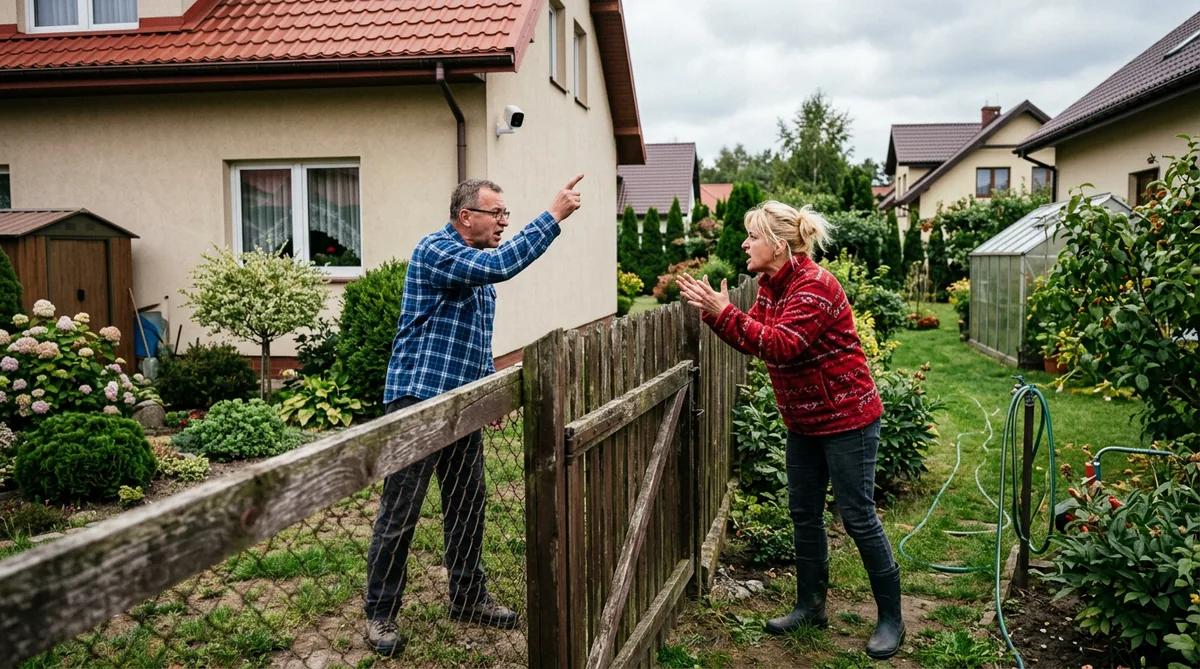
Doorstep crime is one of the most persistent and underreported problems facing UK homeowners. Unlike burglaries that happen while a property is empty, doorstep scams often happen in broad daylight — with the resident at home and the door open.
According to figures published by Action Fraud and local police forces across England and Wales, doorstep fraud costs UK victims tens of millions of pounds each year. Older residents are disproportionately targeted, but these scams are by no means limited to any one demographic.
Understanding what the most common approaches look like — and what the evidence shows about what deters them — is the first step to protecting your property.
What Doorstep Scams Actually Look Like
Most doorstep crime falls into one of several recurring patterns. The perpetrators rely on appearing legitimate, creating a brief window of distraction, or exploiting the natural tendency to trust someone who has knocked on your door.
- Bogus utility workers. Someone presents themselves as being from a water company, energy supplier, or council. They claim there is a leak, a meter issue, or an inspection due. While one person speaks to the resident at the front door, an accomplice enters through the back or side of the property.
- Distraction burglary. A variation on the above, where the distraction is more elaborate — asking for directions, offering to help with a package, or requesting a glass of water. The goal is to get the resident looking the other way long enough to take valuables from a visible location.
- Rogue traders. Individuals who offer to carry out work on a property — driveways, roof repairs, guttering — for a quoted price, then demand significantly more once the work is started or claim additional problems have been found. Payment is typically demanded in cash, and the work is often unnecessary or deliberately left incomplete.
- Fake police officers. Someone presents a badge (often a convincing replica) and claims to be a plain-clothes officer investigating a crime nearby. They may ask to come inside to check for signs of a break-in, or request that the resident hand over cash or jewellery "for safekeeping" while an investigation takes place.
Important: A genuine police officer will always give you their name and collar number. You can call 101 (non-emergency) to verify. Real utility workers will carry ID and can be verified by calling the company directly using a number from a bill or the supplier's official website — never a number provided by the person at the door.
Why These Approaches Are Effective
The psychology behind doorstep scams is well understood. Most people are conditioned to respond to authority figures and to extend basic courtesy to strangers. Scammers exploit both of these instincts. They dress professionally, carry props, and use confident language to create the impression of legitimacy.
Speed is also a factor. Most doorstep encounters are over in two to three minutes. That is often enough time for an accomplice to move through a ground floor room and take anything visible — a phone on a kitchen counter, a purse on a table near the door, car keys on a hook in the hall.
The distraction does not need to be elaborate. It only needs to hold attention for long enough.
What the Evidence Shows About Deterrence
Research into residential burglary and doorstep crime consistently identifies a small number of factors that genuinely reduce the likelihood of a property being targeted.
- Visible cameras at the entrance. Studies from the College of Policing and several UK university criminology departments have found that clearly visible security cameras at the front of a property are among the most effective deterrents available. The effect is strongest when the camera is positioned to capture the face of anyone approaching the door, and when it is visible from the street.
- Lighting. Motion-activated lights at the front and rear of a property reduce the opportunity for unobserved entry. Many modern security cameras incorporate built-in spotlights that activate on motion detection.
- Evidence quality. In cases where doorstep scams do occur and are reported to police, camera footage is frequently cited by investigating officers as the most useful form of evidence available. Still images from a doorbell camera or a mounted outdoor camera have been used in prosecutions where no other physical evidence was available.
In 2024, Thames Valley Police reported that over 60% of doorstep fraud cases where a suspect was identified involved camera footage — either from the victim's own property or a neighbour's. In areas with Neighbourhood Watch schemes that include shared camera coverage, reported doorstep incidents were notably lower than comparable areas without such schemes.
What Most UK Homeowners Choose
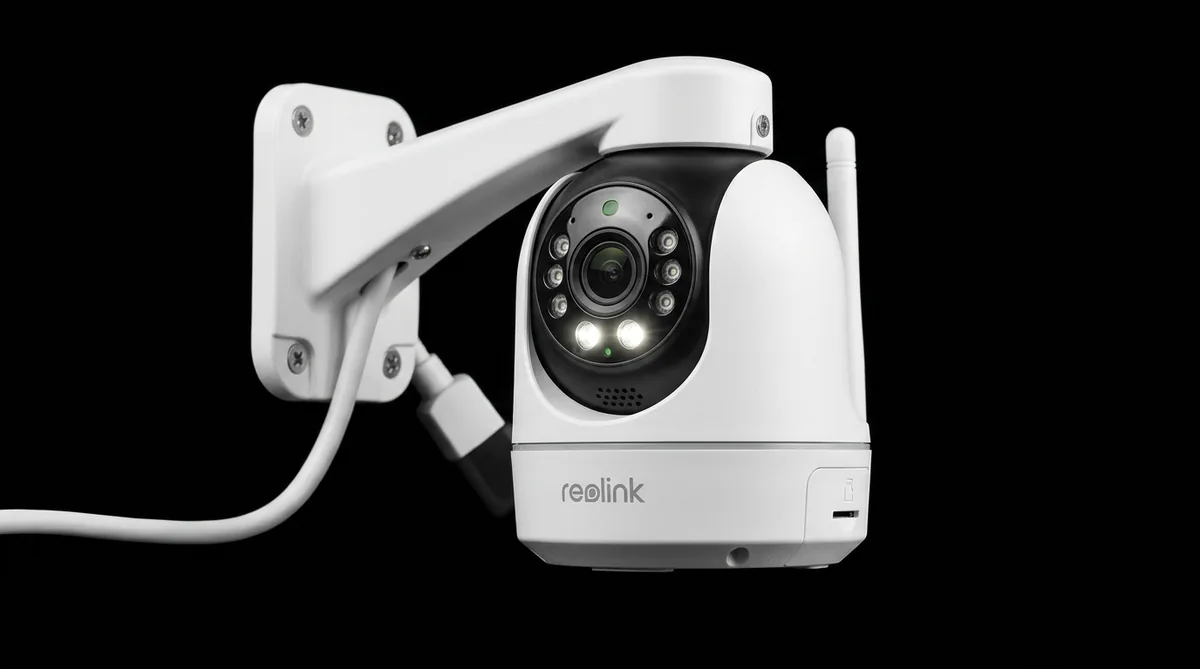
For most homes, the priority is clear coverage of the front door and driveway. A battery-powered WiFi camera is the most practical starting point — it requires no professional installation and can be positioned to cover the approach to the front door from a height that captures facial detail.
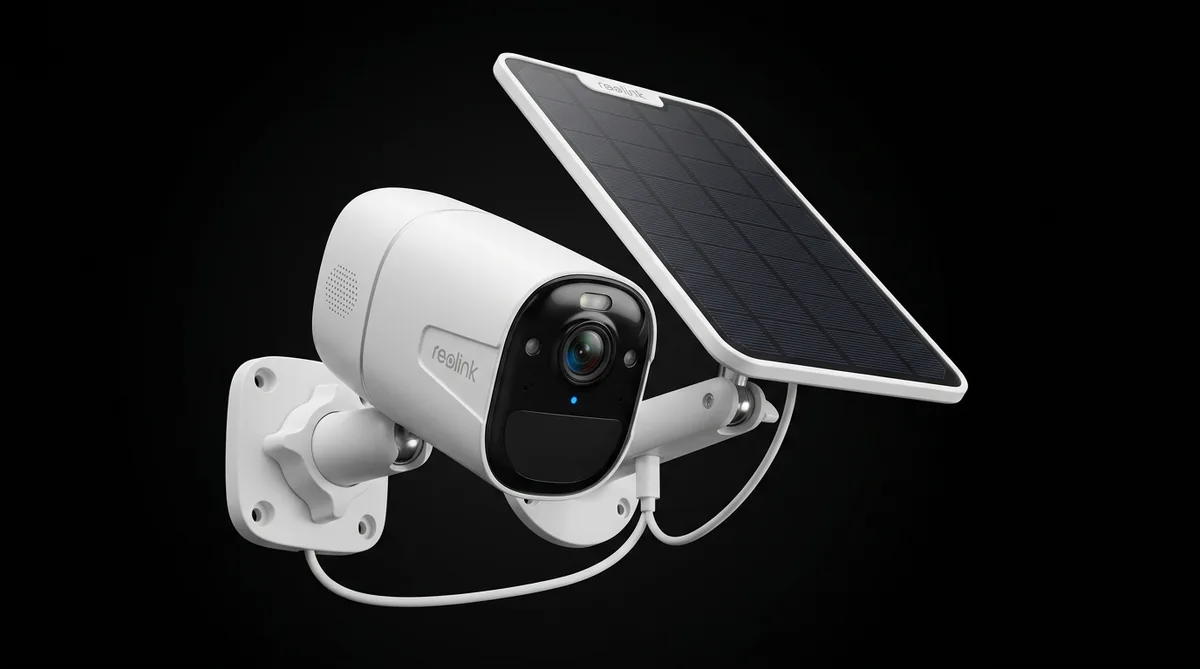
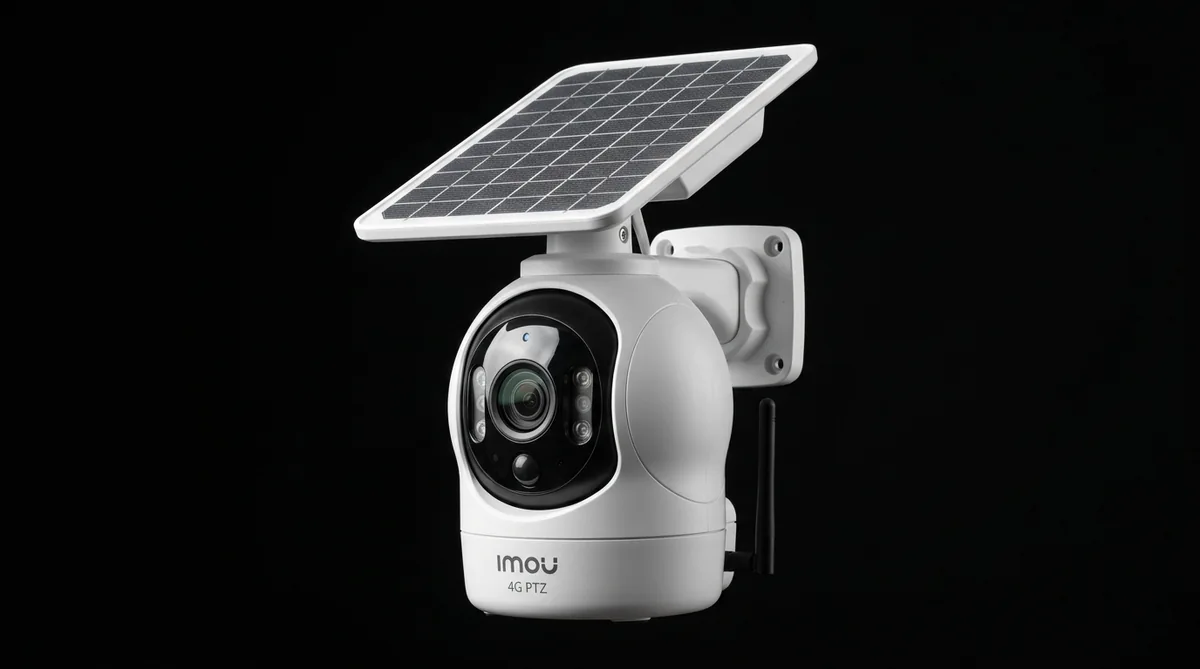
Solar-powered cameras suit properties where running a cable is not practical, particularly for side gates, outbuildings, or rear gardens. PoE (Power over Ethernet) cameras are wired into the router and offer the most consistent connection — useful for driveways or garages where reliable footage matters most.
All of the above are available at a range of price points. The key specification to prioritise for facial identification is resolution — 2K (4MP) or above gives workable image quality at door distances. Night vision type matters too: colour night vision provides more identifiable footage than infrared in low-light conditions.

See Our Security Camera Range
Wireless, solar and wired CCTV cameras for UK homes. Free delivery on orders over £50.
View our camera range →Disclaimer: This article is commercial content published by LordsWatch, a UK-based security camera retailer. It is based on publicly available crime prevention research and guidance from UK police forces. LordsWatch is not affiliated with Action Fraud or any police organisation. For independent advice, visit actionfraud.police.uk.